Maintaining Your Knowledge Base Is Part of the Design Job: A Guide for Instructional Designers
Maintaining your knowledge base is part of the design job for instructional designers using AI bots in eLearning. Learn why it matters and how to handle upkeep without getting overwhelmed.
You build an AI chatbot for your eLearning course. It pulls answers from a knowledge base you created. Things go well at first.
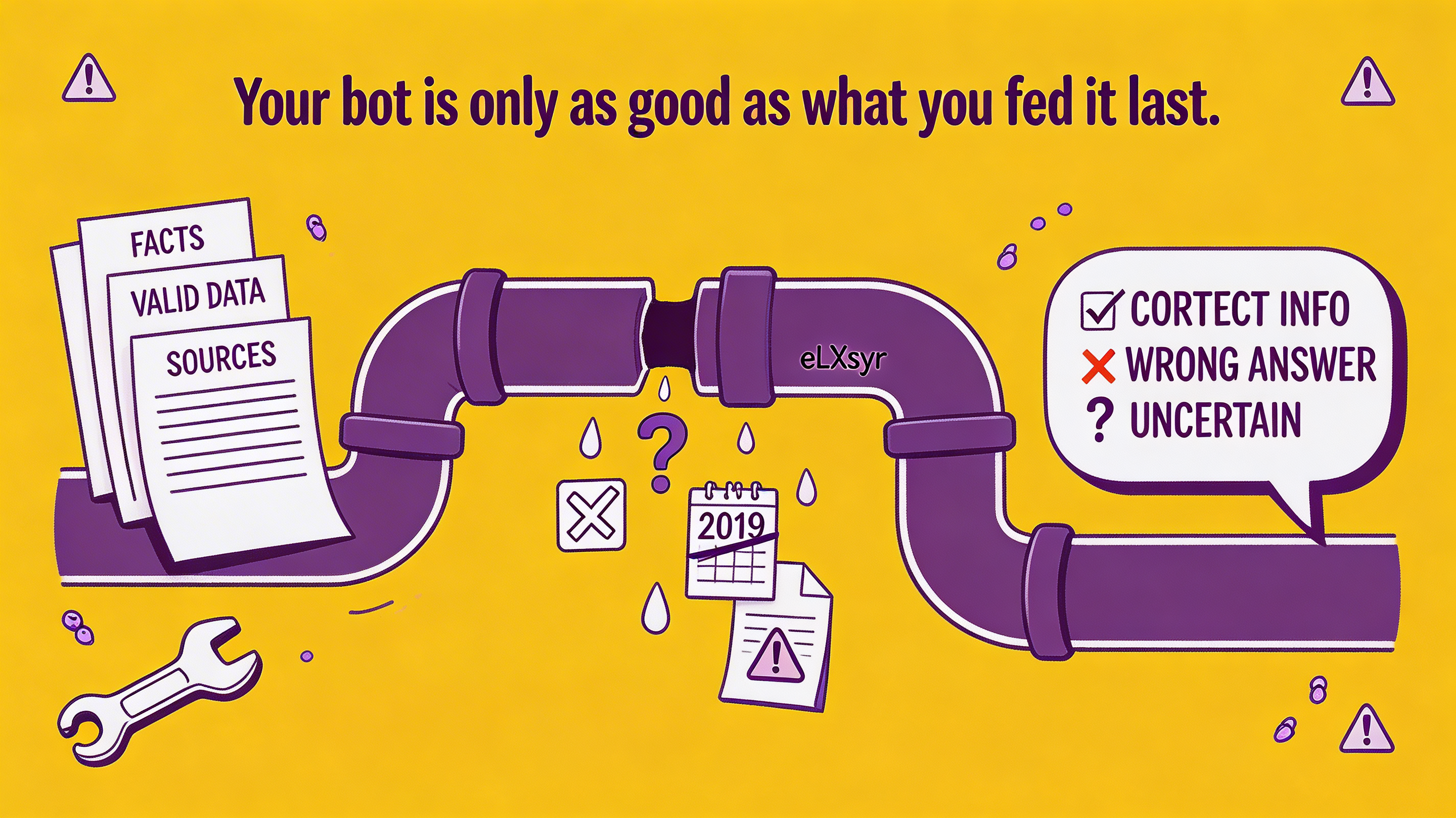
Then learners ask new questions. Procedures change. Your knowledge base gets outdated fast. Now the bot gives wrong answers or none at all.
This frustration hits hard. You spend more time fixing the bot than designing content. Knowledge base maintenance instructional design turns into a full-time headache.
What Is Actually Happening
The root cause is simple. eLearning content lives in a changing world. Company policies update. Tools get new versions. Job roles shift.
Take a sales training course. You embed an AI bot that answers questions from your knowledge base on product features. A month later, the company launches a new product line. The bot still talks about the old ones.
Sales reps get bad info. They complain. You scramble to edit documents, re-upload files, and test responses. This cycle repeats every time something changes.
How to Think About It
View your knowledge base as a living document. It supports the course, not replaces it. Think of it like a reference shelf in a classroom. Learners grab quick facts there, but the full lesson teaches context.
Focus on relevance over completeness. Include only what learners ask about most. Track common questions from chat logs. Build your base around those.
Prioritize structure for easy updates. Use clear headings, bullet points, and consistent formats. Group related info together. This makes scans faster for both you and the AI.
Schedule regular reviews as part of your workflow. Tie them to content release cycles or business changes. Treat maintenance like any design task. Plan time for it upfront.
Where This Gets Hard
Manual approaches work for one course. They break at scale. You end up copying files across multiple bases, hunting for outdated sections, and testing each bot separately. Time explodes as courses multiply.
A platform like eLXsyr changes this. It lets instructional designers embed AI-powered chatbots into eLearning courses or PDF job aids. The bots use one controlled knowledge base you build and update centrally. Changes apply everywhere at once.
What to Watch Out For
Overloading the base with everything. You dump full manuals in there. The AI pulls irrelevant details or misses the point. Stick to concise answers for specific questions.
Ignoring negative feedback loops. Learners stop using the bot when it fails once. They go back to scrolling PDFs. Watch usage drop-offs and fix root causes fast.
Skipping version control. You edit directly without backups. One bad change wipes hours of work. Always track what you modify and when.
Worth Knowing
Freelancers face extra pressure. Clients expect bots that stay fresh without ongoing fees. Build in a simple audit trail. Note update dates and reasons right in the docs. Leaders in teams deal with shared bases. Assign clear owners for sections based on subject experts. This cuts blame games during issues.
Quick Checklist
- Review chat logs weekly. Spot unanswered questions or wrong answers.
- Map business changes to base sections. Update before they hit learners.
- Test top 10 queries after each edit. Confirm responses stay accurate.
- Keep docs under 50 pages total. Trim fluff yearly.
- Tag files by topic. Makes searches and updates targeted.
- Set a 30-minute monthly slot. No skips.
FAQ
How often should I update my eLearning knowledge base?
Check weekly for active courses. Do full reviews monthly or after big changes. Base it on learner feedback and usage stats.
What is knowledge base upkeep in AI bot content maintenance?
It means reviewing and refreshing the source files the bot uses. Remove outdated info. Add new answers. Ensure the AI retrieves correctly.
Why does my AI bot give wrong answers after updates?
Often from unclear phrasing or conflicting info in files. Rewrite for precision. Test retrieval before going live.